TestNG Framework for Selenium
Harry
· 21 Sep 2026
· 1 views
Log in to track your progress and mark lessons complete.
Sponsored
 Browse All Tutorials
Explore →
Browse All Tutorials
Explore →
Introduction to TestNG
TestNG organises tests with annotations, groups, parallel runs and rich HTML reports. It is the runner behind most Java Selenium frameworks.
Annotations
@BeforeSuite @BeforeClass @BeforeMethod
@Test(priority = 1, groups = "smoke")
@AfterMethod @AfterClass @AfterSuite
Assertions
Assert.assertEquals(actual, expected); Assert.assertTrue(isLoggedIn). A failed assert fails the test and logs expected vs actual.
Groups, DataProvider, Parameters
@Test(groups = {"smoke", "regression"})
@DataProvider(name = "logins")
public Object[][] data() {
  return new Object[][] {
    {"user@test.com", "Pass@123", true},
    {"bad@test.com", "wrong", false} };
}
@Test(dataProvider = "logins")
public void login(String u, String p, boolean ok) { ... }
Reports and Parallel Testing
TestNG emits test-output HTML reports; plug ExtentReports for dashboards with screenshots. Run suites in parallel with testng.xml parallel=methods thread-count=4 to cut suite time.
Selenium + TestNG Project Layout
src/test/java/pages/LoginPage.java
src/test/java/tests/LoginTest.java
src/test/resources/testng.xml + testdata.csv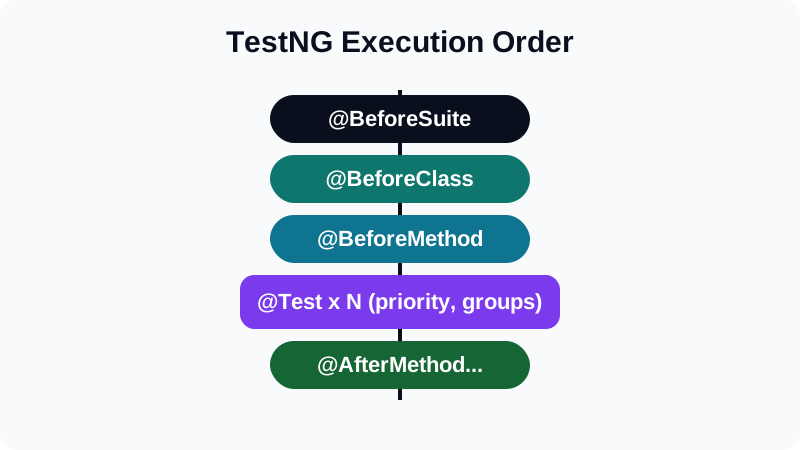
- Annotations control order; groups control scope.
- DataProvider turns one test into fifty.
- Parallel runs plus CI equal fast feedback.